Everyone from Wisdom Lane Antiques would like to take the time to wish everyone a Merry Christmas!
I hope that Santa Claus brings you everything on your wish list and you have a wonderful time!
Merry Christmas everyone!
Everyone from Wisdom Lane Antiques would like to take the time to wish everyone a Merry Christmas!
I hope that Santa Claus brings you everything on your wish list and you have a wonderful time!
Merry Christmas everyone!
When you dive into the world of collecting, you will quickly find that there are a TON of terms that you will hear. There could be anything from a service set to cheese dishes.
Here are some of the terms that you will run across when it comes to tableware:
Breakfast set—this set features both a sugar bowl and a creamer that match.
Frog—this is an element that has multiple holes in it that hold flowers upright. This will be in a vase or console bowl, and they range from small to large in size. They are also in any color from clear pieces to colorful Depression glass and even carnival glass.
Tumbler—this is an everyday drinking glass. They have been seen both footed and unfooted, and they also run the gambit in color from clear to every color under the rainbow.
Spooner—this item can be mistaken for a sugar bowl since they are similar. Spooners do not have lids and are taller than sugar bowls since they are designed to hold spoons.
This is a small portion of the terms that you will run across for tableware. What terms have you heard?
Whenever I do research on the items that I just bought, I often run across some fun facts that happened during a certain year. It could be a product that was released in a certain year, an advertising icon was debuted, or even something was invented that we never thought we could do without.
So what are some of the things that happened in the year 1928?
January 1—the first office building with air conditioning opened to the public.
July 9—saw the debut of the Plymouth car.
July 29—Walt Disney creates some test footage for Steamboat Willie. This footage features the iconic character Mickey Mouse.
The famous British brand of men’s hair styling products called Brylcreem makes its debut.
An accountant for the Fleer Chewing Gum Company by the name of Walter Diemer invents the fruit flavored (and usually pink) Dubble Bubble gum in 1928.
This is just a handful of the things that happened in 1928. What are some of the things that you heard of?
When you jump into the world of antiques and collectibles you will see a wide range of pottery that’s on the market. It could be transferware, stoneware or even art pottery—you really never know what you could run across!
What are some of the different types of pottery that you will find?
Ironstone—this is a type of pottery that made its debut in the UK in the early 1800’s. It is similar to fine stoneware and was developed by potters in Staffordshire England as a cheaper alternative for porcelain.
Agateware—this is a type of pottery that is decorated with a combination of clays that have contrasting colors. The name of this type of pottery comes from the agate stone which has different colored layers in it.
Raku Ware—this is a type of Japanese pottery that is traditionally in Japanese tea ceremonies. The pieces are fairly porous vesels that are a result from low firing temperatures and lead glazes. The traditional process sees the fired piece removed from the hot kiln and allowed to cool in the open air.
This is a small portion of the different types of pottery that you will find on the market. What types have you run across?
It’s that time of year for garage sales to start to pop up everywhere. If you happen to find one that could be on the way to work (or it could even be near where you live) what are some tips to keep in mind when you go?
The first is not to block neighborhood driveways—park sensibly so that people can get in and out of the driveway. After all, you are shopping at the seller’s home.
Greet the seller when you first get there. A friendly attitude may lead to a lowered price on an item. It may even lead to being able to bundle a few items together at a lower price.
Don’t plow through their merchandise. It took hours for them to set up and price everything—don’t destroy the sellers display. When you pick up an item that you don’t want, put it back where it was.
Lastly, thank the seller. Wish them a good day. Frankly, before its all over, they no doubt will be exhausted.
What other garage sale shopping tips do you know?
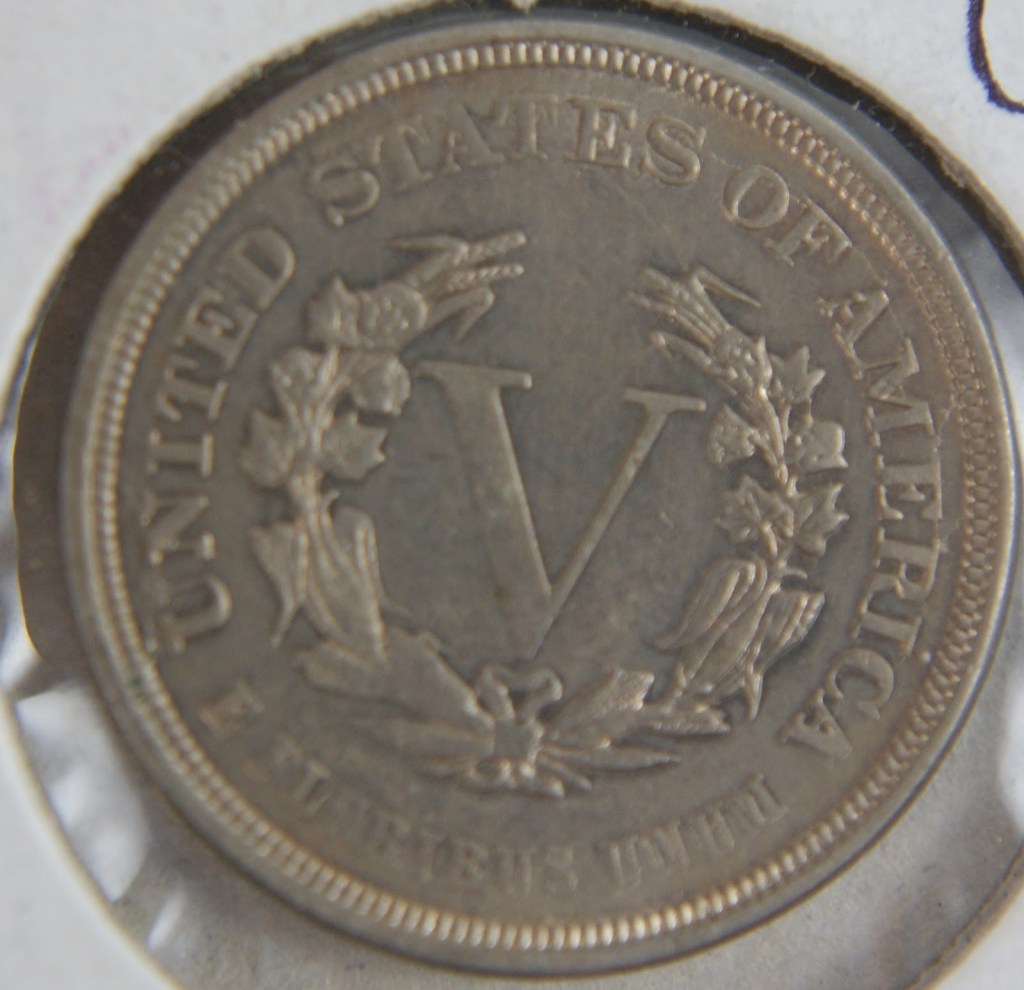
In 1883, the United States mint released a new 5 cent coin design. There was one problem with it—it came without the word CENT anywhere on the coin.

The 5-cent coin quickly became known as the “Racketeer Nickel” because there was a group of people that would gold plate the coins and pass them off as $5 gold coins.
One of the more famous of people to be accused of gold plating the coins is a man by the name of Josh Tatum. Josh would walk into a store and purchase an item for 5 cents. He would then pay for it with the gold-plated fake. Sometimes he would get $4.95 in change, and sometimes he wouldn’t if the clerk knew the actual denomination of the coin really was.
He then would leave with his purchase. The striking thing about the entire thing was the fact that Josh would not say a single word throughout the entire transaction.
Why is this? It is believed that Josh was a deaf mute.
The law finally caught up to Josh and promptly arrested and tried him for fraud. The charges could not stick because of the fact that he did not say a word when the purchase was made, so it was up to the clerk to decide if the coin was worth 5 cents or 5 dollars.
The phrase “Just Joshing you” to this story.
What amazing bits of history like this have you heard?
When you dive into the world of buying and selling, you will run across some interesting terms and phrases. It is the same way when you attend an auction.
Here are some of the terms that you will hear when you attend an auction:
Passed in—If the bids at an auction don’t meet the reserve price, the item can be withdrawn from the auction or passed in. It the item is passed in, the last bidder will be able to negotiate a price for the item with the seller.
Fair warning—this is a warning that is given by the auctioneer that is telling the bidders that the bidding for the item is about to end. It also gives one last chance for any potential bidders to place a bid before the item is sold.
On-site auction—this is an auction that is conducted on the premises (or property) that is being sold on the day of the sale.
These are just a few of the terms that you will hear when it comes to an auction. What are some of the terms that you have heard?
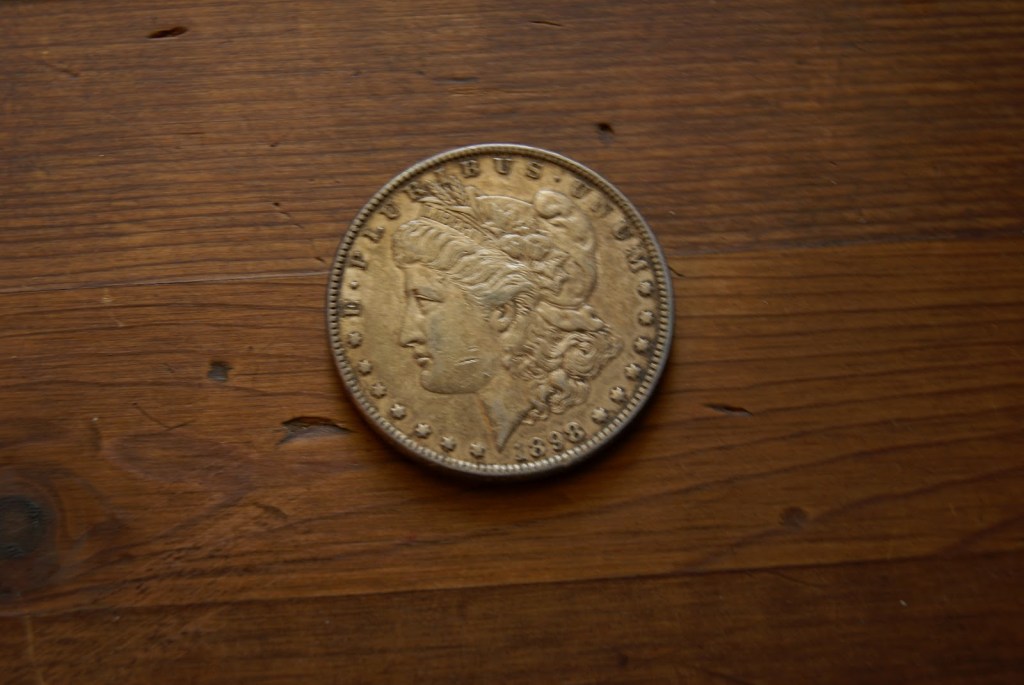
I have been collecting coins ever since I was a kid. One of the first stories that I heard was that coin hoarding in the early 1800’s.


One of the reasons that led to this happening was the fact that the banking system was not the greatest. There were plenty of banks that would open up for business and then be out of business within a couple of weeks or months. Because of the very shaky ground that the banks were on, people were afraid that they would not get their initial deposits back (or anything at all for that matter).
Because of this, people started to hoard silver and gold coins (gold coins were in circulation until 1933 and they had a face value of $1, $2.50, $5, $10 and $20). It got so bad at one point that the lowly little penny was even getting stockpiled.
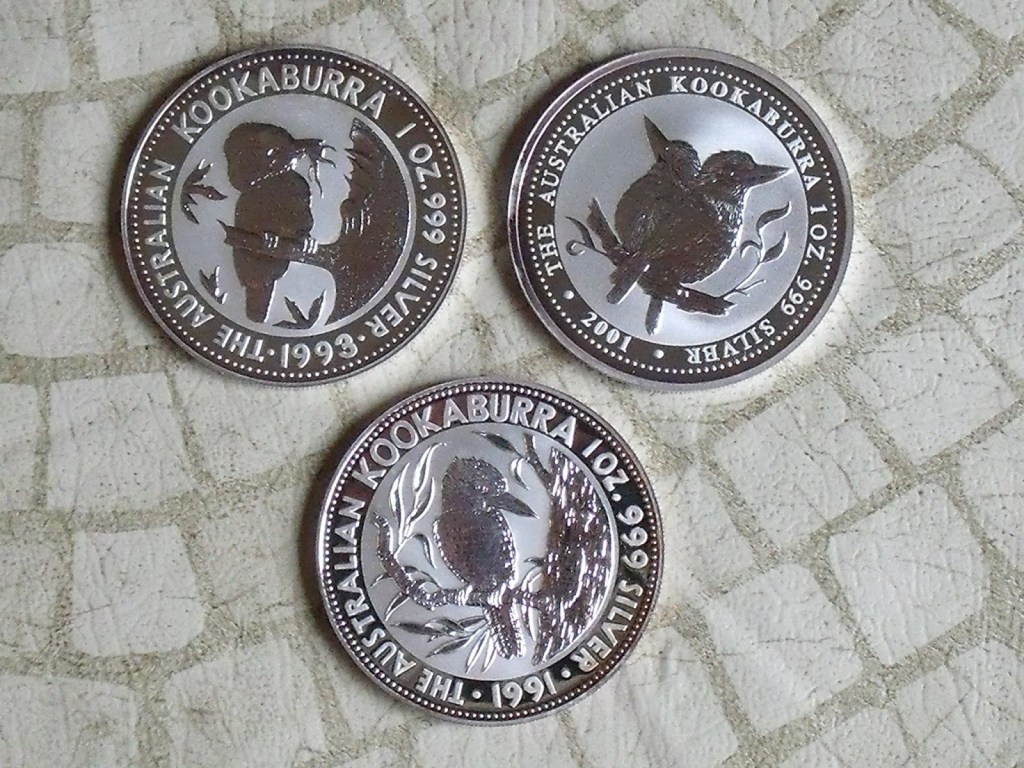
The United States Mint (and mints from all around the world for that matter) still make pure silver coins, but they are geared more for collectors and investors alike.


With the price of silver going up, it only makes sense to set a few examples aside to watch them go up in value. If you play your cards right, you can make a tidy profit on your original purchase price.
When you make the plunge into the world of antiques and collectibles, you will be amazed at what you run across.
You will see anything from advertising items to musical instruments and even glassware and pottery items. You will quickly find out that the one thing that will get the most attention is the price of an item.
Did you know that there are different types of prices in the world of antiques and collectibles? Here are some of the more common types that you will run across:
Reserve price—this is the minimum price that a seller will accept as the winning bid at an auction.
Auction Price—this is the price that is paid when auctioneer’s hammer falls. This price does not include the Buyer’s Premium—the Buyer’s Premium will be applied when the buyer pays for their items. The auction price is also known as the hammer price.
Retail Price—this is for an item that is for sale in someone’s physical store or booth.
This is some of the different types of prices that you will run across. What other types have you seen?
This question stumped me when I first started selling items online. Every time you list an item on an online site, the question on how much to charge on shipping always comes up. So how do you know how much to charge on the item that you are selling?
After I get all the pictures taken of the item, I will get a start on the packing part for the item to be mailed. The first step that I do is to find a box that the item fits in. I will look for a box that is a little bigger than what I am packing so I can put some packing peanuts around it.
When I find a box that works, I go ahead and wrap the item in some bubble wrap it. When I get the packing peanuts and the bubble wrap around the item in the box, I will weigh the box.
I know that this might be a little over kill, but the size of the box and how much it weighs are what you use to figure the price of the shipping.
When you know that, you can head on over to the USPS website. There is a postage calculator on that website, and all you have to do is to plug in the weight and size of the box. When you do, the calculator will give you an idea on how much it will cost on shipping.
One thing that I do after I do this is to write on the inside flap what is inside the box and set it aside—this way all I have do is to put a packing slip inside the box before I tape it closed and attach a shipping label.
This is one way to figure out how much to charge for shipping. What do you do to figure this out?